Partner Profile
Cannorganix. The harvest,
uncompromised.
A working farm, a research garden, and a quiet rebellion against chemical agriculture. Cannorganix grows vegetables, herbs, and grains in living soil, the way they were meant to grow, and shares every method openly.
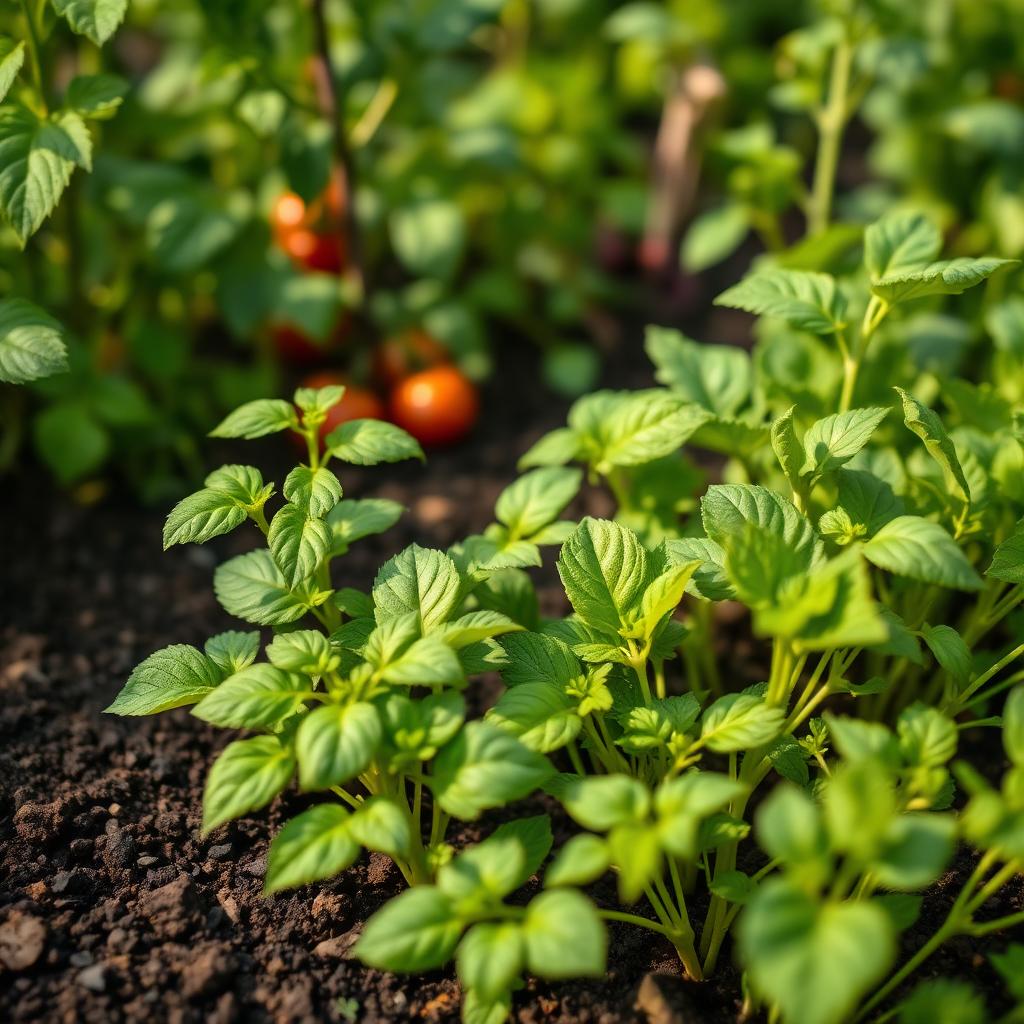
No synthetics
Across every growing cycle
Living soil
Compost, cover crops, no till
Heirloom
Open pollinated cultivars in rotation
Open methods
Shared freely with the network
Method
Six principles that govern every bed, every harvest, every basket.
01
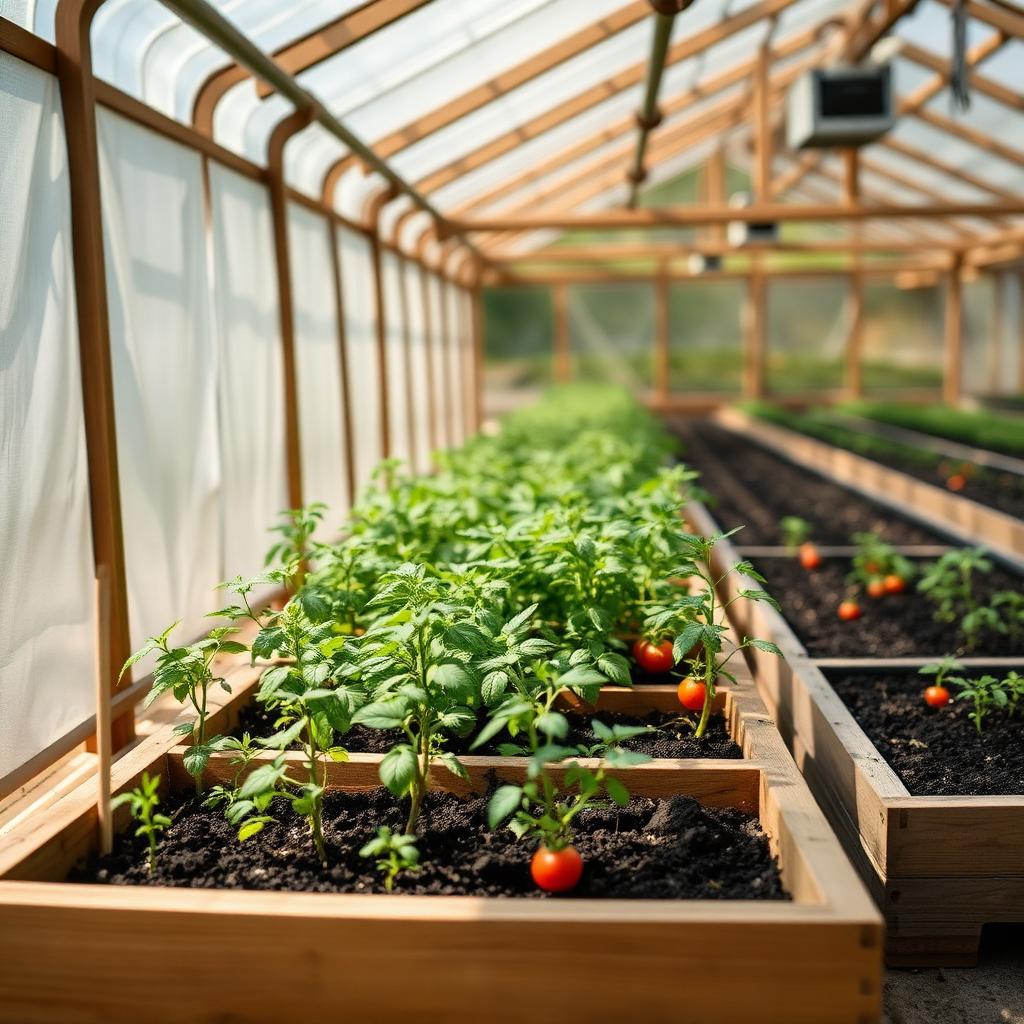
Living Soil Beds
Beds are built once and never tilled again. Each season they are top dressed with farm made thermophilic compost, worm castings from on site vermiculture bins, kelp meal for trace minerals, and crushed basalt for slow remineralization. Cover crops of crimson clover, winter rye, and daikon radish are rolled down in place to feed the soil food web, hold moisture, and keep mycorrhizal networks intact between cash crops. The goal is not to feed the plant, it is to feed the biology that feeds the plant.
02
Open-Source Genetics
Every cultivar grown is open pollinated, heirloom, or a stabilized landrace. Seed is saved on farm from the strongest plants each season, cleaned by hand, germination tested, and logged into a shared accession registry maintained with S.O.I.L. Nothing is hybridized for proprietary gain, nothing is patented, and duplicate seed lots are deposited with partner growers so no single drought, fire, or crop failure can erase a lineage.
03
Whole-Harvest Processing
Crops are cut by hand at peak ripeness, usually in the cool window before sunrise, then moved into shaded field coolers within thirty minutes to lock in sugars and reduce respiration. Produce is washed in cold well water only, never chlorinated, and packed into reusable crates without wax coatings, ripening gases, or post harvest fungicides. From bed to crate to delivery, nothing touches the food that you could not also eat.
04
Independent Verification
Soil, irrigation water, and finished produce are sampled every season and sent to ISO 17025 accredited third party laboratories. Panels cover the full pesticide residue screen, heavy metals including lead, cadmium, arsenic, and mercury, and microbial indicators such as E. coli and salmonella. Results are published in full, including any failed or borderline batch, so partners can audit the practice rather than take the farm at its word.
05
Crop Rotation & Polyculture
No bed grows the same plant family two seasons running. A four year rotation moves through legumes, brassicas, solanaceae, and roots, with flowering insectary strips of alyssum, calendula, and buckwheat interplanted every few rows to feed pollinators and predatory insects. Pest pressure is managed by biology and timing, not sprays.
06
Closed-Loop Water
Irrigation runs on drip tape under straw mulch to cut evaporation to a minimum. Rainwater is captured from barn roofs into above ground cisterns, and greywater from the wash station is filtered through a constructed wetland before returning to the orchard. Soil moisture is monitored by tensiometer so water is applied only when the root zone actually needs it.
Cultivar Library
A living archive of plant lineages, preserved, propagated, shared.
Cherokee Purple Tomato
Tennessee heirloom, pre-1890
Deep brix, smoky sweetness, dense flesh
Rainbow Chard 'Bright Lights'
Open-pollinated mix
High mineral density, long cut-and-come-again season
Genovese Basil
Liguria, Italy, traditional line
High essential oils, classic culinary aromatics
Glass Gem Corn
Cherokee preservation line
Translucent jewel kernels, flint corn for milling
Open Knowledge
Every method, freely shared.
Cannorganix publishes its growing calendars, soil amendments, and harvest data so any grower, backyard or broadacre, can replicate the work.