Our Strategic Pillars
Three systems. One clean plate.
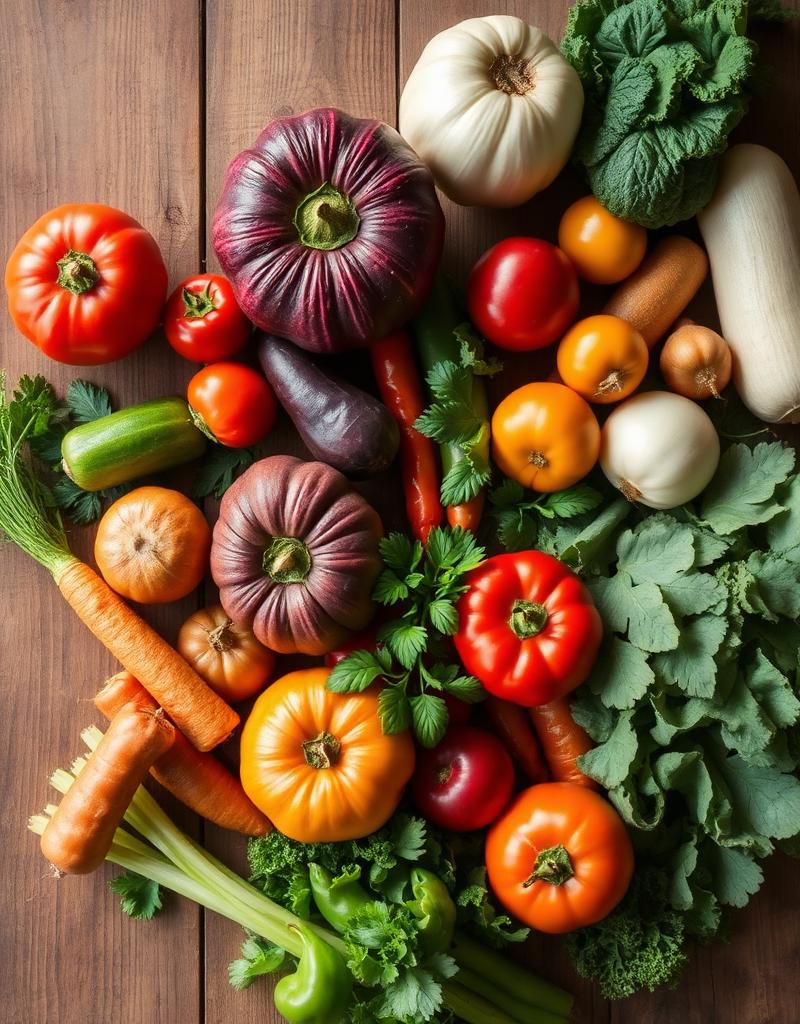
Zero Additive Logistics
A cold chain rebuilt from the truck bed up to move pesticide free produce from harvest to plate without a single synthetic preservative, ripening gas, or wax coating. Our refrigerated fleet runs on biodiesel sourced from member oilseed farms, packaging is returnable cellulose or stainless steel, and every shipment is temperature logged from field cooler to delivery dock. We prioritize short routes, fast transit, and dramatically lower food loss than conventional supply chains.
- Refrigerated fleet running on biodiesel or electric power across regional hubs
- Returnable packaging program that eliminates single use plastic across the network
- Open source routing software shared with allied cooperatives at no cost
- Field to cooler within one hour on every partner farm
- Regional wash and repack hubs powered by rooftop solar with rainwater capture
Biodiesel
Fleet
Returnable
Packaging
Open source
Routing
How the cold chain works
Produce is field cooled within an hour of harvest using shaded hydrocooling tanks fed by captured rainwater. From there it moves into insulated crates that stay with the food until the retail cooler, eliminating the repeated repacking that bruises produce and shortens shelf life. Drivers follow routes optimized daily by our open source scheduler, which favors loops under three hundred miles and clusters deliveries so no truck runs empty on the return leg.
What we refuse to use
No ethylene ripening chambers, no chlorine dioxide washes, no wax or shellac coatings, no 1 MCP freshness sprays, no fumigation, and no modified atmosphere packaging that relies on plastic barrier films. Cleaning at the wash line uses potable water, vinegar, and food grade hydrogen peroxide only. If a produce item cannot travel to a member without a synthetic input, we do not ship it, we sell it closer to home.
Packaging and returns
Retailers and subscription households receive food in returnable stainless steel totes or unwaxed cellulose boxes stamped with a QR code. Empties are picked up on the next delivery run, washed at a regional hub, and put back in circulation. Households that keep boxes past two weeks are billed a small deposit, refunded on return. This closed loop removes almost every single use container from the network.