Vision
A world where clean food is a baseline, not a privilege.
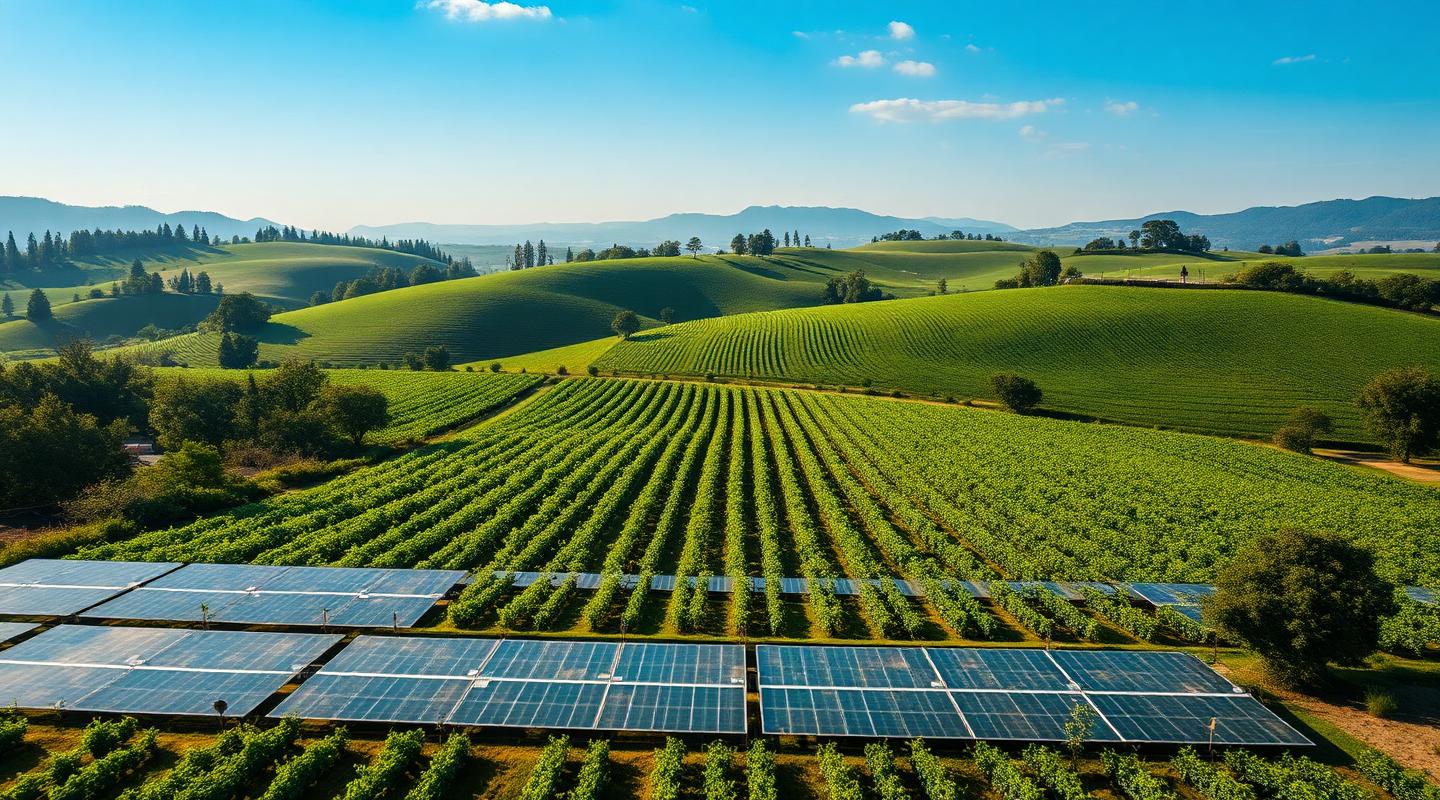
GSFS exists to make pesticide free, additive free food the default condition of human life, accessible in every village, every market, every school lunch, and every hospital tray. The work is measured in generations, not quarters, and judged by a single test: does the soil under our partner farms hold more carbon, more water, and more life this year than it did last year. Everything else, the certifications, the logistics, the policy work, follows from that one obligation.
Core Beliefs
Food is infrastructure.
Like clean water, electricity, and primary education, nourishing food is a public good. It should be funded with long horizon public money, regulated to protect the people who grow it and eat it, and shielded from the boom and bust logic of commodity markets. Treating food as a speculative asset is the root cause of both hunger and obesity.
Soil is the strategy.
Every climate, public health, and food equity problem traces back to soil. Living soil sequesters carbon, holds water through drought, feeds pollinators, suppresses disease without sprays, and produces denser nutrition per calorie. Restoring soil biology is the single highest leverage intervention available to humanity and the cheapest per tonne of carbon drawn down.
Sovereignty over scale.
We do not aim to build a global food brand. We aim to make global food brands unnecessary by equipping every region to feed itself with dignity. Decisions about what to plant, who to sell to, and what to charge belong to the people who live with the consequences, not to a head office on another continent.
Open by default.
Cultivar genetics, agronomic methods, certification protocols, audit data, financial ledgers, and curriculum materials are published under permissive licenses and free to fork. Knowledge enclosure is a form of pollution and we refuse to produce it.
Horizon
Our strategic directions, public, measurable, accountable.
01
Foundation
We are finalizing the next version of the Clean Standard with mandatory pollinator habitat metrics, onboarding new partner farms, and launching a public audit dashboard with soil organic matter, residue test, and supply chain data for every certified hectare.
02
Replication
We are expanding regional training hubs, translating the farmer curriculum into more languages, and publishing a free certification toolkit so allied networks can run their own audits.
03
Sovereignty
We are building community owned distribution hubs in member regions, ending reliance on industrial intermediaries through cooperative cold chains, and establishing regional seed and compost commons under permissive licenses.
04
Baseline
Our long term aim is a world where pesticide free, additive free food is the default, sold at or below conventional shelf price, served in every public school and hospital, and produced on soils that gain organic matter every year.

Inside GSFS
Six departments. One coordinated mission.
Field Science
Operates a network of accredited labs running soil assays, residue tests, water quality panels, and agronomic trials. Publishes regular open data releases covering every certified hectare in the network.
Grower Programs
Partnership lead with S.O.I.L. delivering sustainable practice training, transition grants, and on farm agronomy. Supports working farms with one to one mentorship and shared equipment cooperatives.
Logistics
Runs the additive free cold chain: a biodiesel and electric fleet, regional hubs, a returnable packaging system, and routing software released under an open license to allied cooperatives worldwide.
Policy & Standards
Maintains the Clean Standard, certifies new entrants, and advocates for regional and national policy that protects soil, water, pollinators, and seed sovereignty. Represents the network in multilateral forums.
Education
Builds the open farmer curriculum, public food literacy programs, school garden kits, and the in person training calendar across regional hubs. All materials free, all translatable, all forkable.
Network Operations
Handles onboarding, audits, member coordination, dispute resolution, and the public transparency ledger. Every significant grant and contract is reviewed and posted here.